Traditional real estate transactions have long relied on trust-based systems and human oversight, making them slow, expensive, and vulnerable to errors. Paperwork, intermediaries, and manual verification often delay deals for weeks—or even months.
Today, that model is rapidly changing.Blockchain technology and smart contracts are revolutionizing how legal agreements are created, executed, and enforced—especially in the real estate industry. By enabling decentralized, tamper-proof records and automated execution, blockchain reduces dependency on intermediaries while increasing transparency, security, and efficiency.
At the center of this transformation are smart contracts—self-executing digital agreements that automatically enforce predefined terms once specific conditions are met. Together, blockchain and smart contracts are redefining trust in real estate transactions and solving long-standing industry challenges.
The Problem with Traditional Real Estate Contracts
Real estate agreements typically involve multiple parties, including buyers, sellers, brokers, lawyers, banks, and government authorities. Each stakeholder maintains separate records, which often leads to:
- Delays in verification and approvals
- Disputes over contract terms
- High legal and administrative costs
- Increased risk of fraud and document tampering
Even straightforward property transactions can take months due to manual checks and third-party validation. This inefficiency creates friction in an industry where time and trust are critical. This is exactly where blockchain technology makes a difference.
What Are Smart Contracts?
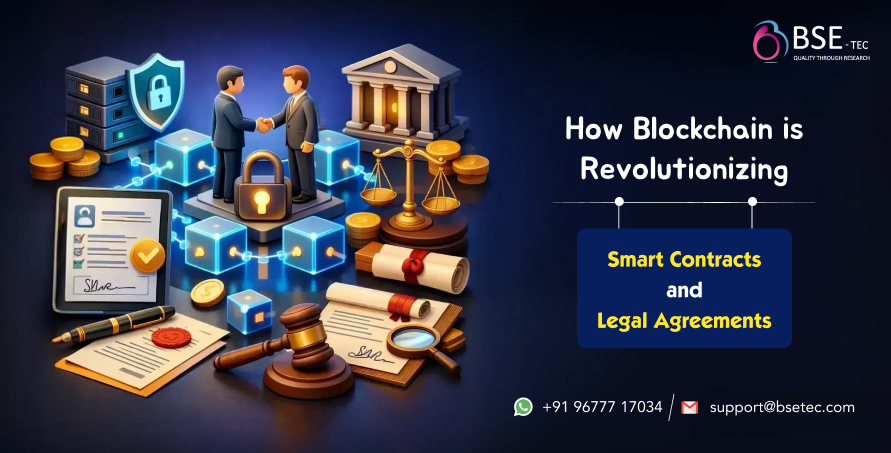
A smart contract is a digital agreement stored on a blockchain that executes automatically when predefined conditions are met. Once deployed, it operates without ambiguity, manual intervention, or reliance on intermediaries.
In real estate, smart contracts can be programmed to:
- Release payments once ownership is transferred
- Trigger property registration after verification
- Enforce penalties if contractual obligations are breached
All actions are transparent, time-stamped, and immutable, ensuring accountability for every party involved.
Real-World Impact of Smart Contracts in Real Estate
1. Faster Property Transactions : Smart contracts automate approvals and execution. Once payment, identity checks, and documentation are verified, ownership can transfer instantly—reducing transaction times from months to days or even minutes.
2. Fewer Legal Disputes : Because smart contracts operate on predefined, unchangeable rules, disputes over contract terms are significantly reduced. This leads to lower legal costs and smoother deal closures.
3. Greater Transparency and Trust : Every transaction is recorded on a shared blockchain ledger, allowing buyers and sellers to view the same real-time data. This eliminates hidden clauses and misinformation—critical in high-value property deals.
4. Tamper-Proof Security : Blockchain-based contracts cannot be altered or deleted once deployed. This protects property titles and legal agreements from fraud, forgery, and unauthorized changes.
Real Estate Tokenization: Unlocking New Opportunities
Blockchain also enables real estate tokenization, where property ownership is divided into digital tokens representing full or fractional ownership.
Smart contracts manage:
- Ownership rights
- Rental income distribution
- Regulatory compliance
Tokenization increases liquidity, lowers investment barriers, and opens real estate markets to a broader global audience.
The Role of Companies Like BSEtec
While blockchain provides the technology, companies like BSEtec turn it into practical, business-ready solutions.
Their work typically includes:
- Custom smart contract development for real estate use cases
- Blockchain-based legal frameworks aligned with regional regulations
- Integration with CRM systems, ERP tools, and land registry databases
- Security audits and smart contract testing
Rather than offering generic platforms, companies like BSEtec collaborate closely with real estate firms, developers, and legal teams to ensure smart contracts reflect real operational and legal requirements.
They bridge the gap between legal logic and blockchain code, ensuring contracts are enforceable, compliant, and scalable.
Real-Time Use Case: Smart Contract–Powered Property Leasing
Imagine a commercial lease managed by a smart contract:
- Tenant pays the security deposit via blockchain
- Contract verifies payment and grants digital access
- Monthly rent is deducted automatically
- Late payments trigger penalties instantly
- Lease expiration revokes access without manual action
This is not a future concept—it’s already being tested and implemented across global real estate markets.
Challenges Remain, but Progress Is Accelerating
Blockchain adoption in real estate still faces challenges, including regulatory uncertainty, limited awareness, and the need for technical expertise. However, as governments explore blockchain-based land registries and legal frameworks evolve, smart contracts are becoming increasingly viable.
Technology providers are actively addressing these challenges by building compliant, user-friendly, and scalable blockchain solutions.
The Future of Real Estate Legal Agreements Is Digital
Smart contracts are not replacing lawyers or legal systems—they are enhancing them. By automating execution and reducing risk, blockchain allows legal professionals and real estate businesses to focus on strategy rather than paperwork.
As the demand for faster, safer, and more transparent property transactions grows, blockchain-powered legal agreements will become the industry standard.
Now is the time to embrace digital transformation.
Connect with BSEtec and take the next step toward smarter, blockchain-driven real estate solutions.